Tag: air duct cleaning

What Is Mold Inspection and Testing?

If your home has experienced water damage or you have mold symptoms, a professional inspection and testing may be needed. A mold inspection identifies possible sources of mold growth through visual and moisture detection, while laboratory analysis provides accurate information about mold species and concentrations.

To get an accurate reading, it is important to shut off air purifiers and dehumidifiers prior to your appointment. This allows the technician to see a more accurate result. Contact your local Mold Inspection and Testing Salt Lake City pros to learn more.

Moisture Detection
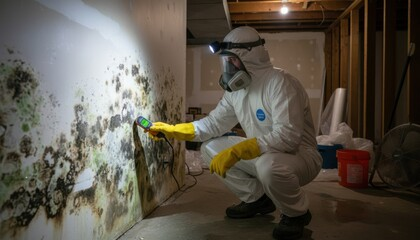
Mold Inspection

Moisture is the primary cause of mold growth, and a mold inspection begins with examining for signs of moisture or water damage. A certified home inspector is familiar with a wide range of possible causes of mold contamination, so they can quickly spot problems and develop an appropriate remediation strategy.

A qualified inspector will also use specialized equipment to assess the condition of your house’s structure and its components. For example, they may check the attic or basement for hidden leaks, or they may use a thermal imaging camera to identify areas of elevated humidity.

Once they’ve examined your property, the mold inspector will recommend a course of action, including mold testing. The tests will help them to determine the type and quantity of mold spores present in the air or on particular surfaces in your home.

The mold inspection process involves collecting samples that are then sent to an independent laboratory for analysis. During this step, the laboratory will identify the different species of mold present and their concentrations.

During the sampling process, your inspector will ask you to shut off any air conditioning or dehumidifiers in your home. Air purifiers and humidifiers remove moisture from the air, so they will reduce the concentration of mold spores that your inspector will be able to detect. You should also avoid using any spray cleaners or disinfectants in your home prior to the appointment, as these can also interfere with the accuracy of the test results.

Surface sampling involves swabbing various surfaces inside your home to find the presence of mold spores. The inspector may swab carpeting, walls, ceilings, or furniture. Different surfaces are more or less susceptible to mold growth, so the inspector will swab each one to identify the areas and items that need further investigation.

Another type of sample is called an ERMI sample, which collects dust from within your home to identify the specific types of mold spores present. This method is more accurate than a swab or air sample, as it can detect the specific types of mold to the species level rather than just the genera (e.g. Aspergillus Versicolor).

An ERMI can be especially useful for people who have compromised immune systems. Once the results are in, your inspector will provide you with a detailed report and recommendations for mold remediation, if necessary.

Sampling

During a mold inspection, your inspector may recommend certain sampling methods. The recommendations depend on conditions found during a physical investigation, moisture detection equipment, and other factors. The types of sampling and analysis performed aid in determining hidden areas that might need attention, identifying specific allergenic or toxigenic molds and their concentrations, and determining the extent of a contamination problem.

Sampling typically involves collecting a bulk sample or swab from materials that have a suspected mold like appearance. The samples are then sent to a lab for analysis. Surface sampling is recommended when there is visible mold growth, as it will help determine if the type of growth is what is being observed in the home. Swab samples are taken using a sanitary type of Q-Tip to collect a sample from the surface of the suspected material. The samples are then analyzed to identify the spores present and to confirm what is being observed.

Another type of testing is air sampling, which focuses on identifying the presence and concentrations of mold spores in the air within a home. This test is commonly used to confirm the results of a visual inspection, and it can also be used in place of a visual inspection. Air spores can be collected by using a pump that draws air into a container with a special spore trap.

An alternative to air sampling is wall cavity sampling, which identifies the presence of mold in out-of-reach places by drawing a sample from the space inside a wall or ceiling. This method of testing is ideal for detecting hidden and hard to reach issues.

Prior to the sample collection process, it is important that any vacuuming, cleaning, or heavy dusting be avoided. This is to ensure that the surface of the materials being tested are free from contaminants that could interfere with or distort the results. It is also recommended that humidifiers be turned off or removed as they can increase the moisture content in the air and therefore accelerate mold growth. Finally, the doors and windows should be shut throughout the sampling process so that a representative sample can be obtained.

Laboratory Analysis

Mold inspections focus on identifying potential problem areas through visual and moisture detection. Once those areas have been determined, laboratory analysis provides specific information about mold species and concentrations in the home. This information can help homeowners create a plan to keep their homes mold-free and support remediation or clearance decisions.

Laboratory testing can also identify the presence of mycotoxins, or toxic metabolites created by molds, in your home. These toxins can be harmful for individuals with certain health conditions, such as compromised immune systems or allergies. Mycotoxins can also be released into the air by mold spores. These toxins are also difficult to clean up and can often return after cleaning.

During the lab analysis phase of your mold inspection, your inspector will send the samples collected to an accredited laboratory for analysis. The laboratory will use different techniques to analyze the samples and identify the type of mold present and its concentration in your home.

The most common sample types are air and surface samples. Air samples are taken using specialized spore trap devices that measure airborne mold spores and can be compared with outdoor air for accurate assessment of indoor spore counts. Surface samples are collected with adhesive tape lifts or sterile swabs from visible and suspected mold growth areas. Bulk samples can also be collected, where a small piece of building material (e.g. carpeting, drywall) is removed and sent to the laboratory for analysis.

In addition to determining mold spore levels, laboratories will examine the spores under a microscope and determine which species are present. They may also test for mycotoxins and other metabolites that can be produced by molds. The results of the laboratory analysis can be confusing for many homeowners, as they will often contain a lot of numerical data such as spore counts and Latin species names.

Homeowners should be prepared to spend several hours preparing their home for a mold inspection and testing, by closing all doors and windows, turning off any HVAC systems, and washing any surfaces that will be tested. It is important to avoid using any cleaning products and dehumidifiers 48 hours before the inspection to prevent adding additional moisture that could affect the test results.

Report and Recommendations

Mold testing provides valuable information about the types and concentrations of mold found in a home. It is an essential part of a thorough home inspection, and it can identify hidden mold in places that aren’t visible during a visual inspection. The information in the laboratory report can help determine the severity of a mold problem, identify specific allergenic or toxigenic molds, and assess health risks for occupants.

Sampling can be done by using different methods, including surface sampling, bulk sampling, and air testing. In surface sampling, the inspector swabs or tape lifts surfaces to get a sample. The inspector will then send the sample to a lab for analysis. This method is best used for identifying surfaces that may contain mold, such as walls, floors, or ceilings. It can also be useful for determining the type of mold, such as a toxic black mold (Stachybotrys chartarum).

Bulk samples involve collecting a piece of drywall or insulation from a suspected area of mold growth and sending it to the laboratory for analysis. This is a good way to see what kind of mold is growing in the wall, as well as the spore counts. A mold inspector should only use this method when other types of sampling have been done and the results are inconclusive.

An industrial hygienist can help determine whether surface or bulk samples are necessary. He or she will also advise on the proper procedures for conducting the sampling and how to interpret the results.

When the lab analyzes a sample, it will provide a report that includes the type of mold and its spore count. It will also indicate if the levels are normal or high. A certified mold inspector or industrial hygienist will then interpret the results and make recommendations.

To ensure the most accurate results, it is important to avoid cleaning and disinfecting your home before a professional mold inspection and testing. It is also important to shut off your HVAC system for two hours before the inspection to prevent circulating mold spores. Also, you should avoid mowing the lawn or trimming hedges during this time as this can affect your professional’s outside baseline assessment of background spore concentrations. Rain can also distort the results of your indoor test by causing moisture that leads to faster growth of molds.
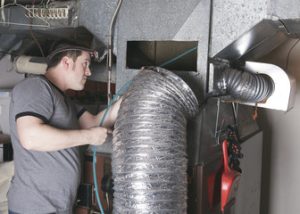
How Dirty Air Ducts Increase Energy Bills and Reduce System Efficiency

In modern homes and commercial buildings, heating, ventilation, and air conditioning (HVAC) systems play a crucial role in maintaining comfort, air quality, and energy efficiency. However, many property owners overlook a critical component of these systems: the air ducts. Over time, air ducts accumulate dust, debris, allergens, and even microbial growth, all of which can severely impact HVAC performance. Dirty air ducts not only compromise indoor air quality but also force your HVAC system to work harder, leading to increased energy bills and reduced overall efficiency. Understanding the connection between air duct cleanliness and system performance is essential for maintaining a healthy, cost-effective, and efficient property.

Neglecting air duct maintenance may seem like a minor oversight, but the effects are cumulative. Even small amounts of debris can restrict airflow, reduce heating and cooling efficiency, and accelerate wear and tear on HVAC components. Over time, this results in higher energy consumption, more frequent repairs, and an uncomfortable indoor environment. Professional Air Duct Cleaning Utah addresses these problems, restoring optimal airflow, reducing energy costs, and improving overall system longevity.

air duct cleaning

How Air Duct Contamination Occurs

Air ducts are responsible for distributing conditioned air throughout a building. As air moves through these channels, it carries dust, pet dander, pollen, and other particles. Over months and years, these particles can accumulate on duct walls, forming a layer of debris that restricts airflow.

Contamination can occur for several reasons:

  1. Environmental Factors
    Dust, pollen, and outdoor pollutants can enter the HVAC system through vents or filtration systems, gradually building up inside the ductwork.
  2. Poor Maintenance
    Skipping regular maintenance, such as filter replacement or inspection of ductwork, allows debris to accumulate unchecked, creating a thicker layer over time.
  3. Moisture and Humidity
    Moisture from condensation or leaks can create an environment conducive to mold and bacterial growth, further reducing air quality and system efficiency.
  4. High Occupancy or Traffic
    Buildings with heavy foot traffic, pets, or industrial activity may experience faster accumulation of dust and particulate matter within air ducts.

When left unaddressed, these factors can lead to a system that struggles to maintain consistent temperature and airflow, directly impacting energy consumption and operational costs.

Impact on HVAC System Efficiency

Dirty air ducts restrict airflow, making it harder for the HVAC system to distribute air evenly. This restriction forces fans and motors to operate at higher levels, consuming more energy than necessary. Over time, this can lead to:

  1. Increased Energy Bills
    When airflow is restricted, the system must work harder to achieve desired temperatures. This elevated workload results in higher electricity or gas consumption, significantly raising utility costs.
  2. Uneven Heating and Cooling
    Obstructed ducts prevent air from reaching all areas of a building efficiently, creating hot and cold spots. This can cause occupants to adjust thermostats frequently, further increasing energy usage.
  3. Reduced System Lifespan
    Straining the HVAC system through restricted airflow accelerates wear and tear on components such as motors, compressors, and fans. This can lead to more frequent breakdowns and costly repairs or replacements.
  4. Compromised Air Quality
    Dirty ducts recirculate dust, allergens, and microbes into living or working spaces, affecting respiratory health and overall comfort. Poor air quality can also lead to increased absenteeism in commercial environments, indirectly impacting productivity.

By restoring clean, unobstructed air ducts, property owners can significantly improve system efficiency, reduce energy costs, and enhance the overall indoor environment.

How Dirty Air Ducts Contribute to Higher Energy Consumption

Energy consumption is directly linked to how efficiently an HVAC system can circulate air. When ducts are clogged or coated with dust and debris, the following occurs:

  • Increased Fan Resistance: The HVAC fan must work harder to push air through obstructed ducts, consuming more electricity.
  • Longer Operation Cycles: Systems run longer to maintain desired temperatures, leading to higher energy bills.
  • Ineffective Heating or Cooling: Inconsistent airflow means the thermostat may cycle the system more frequently, compounding energy use.

Even a small reduction in airflow efficiency—often unnoticed by occupants—can translate into a significant increase in monthly energy costs. Over a year, these inefficiencies can amount to hundreds of dollars in wasted energy.

Signs That Your Air Ducts May Need Cleaning

Recognizing the indicators of dirty or obstructed ducts allows property owners to take proactive action. Common signs include:

  1. Higher-than-Normal Energy Bills
    If utility costs rise unexpectedly without a change in usage habits, restricted ducts may be the culprit.
  2. Visible Dust and Debris
    Dust accumulating on vents, registers, or near air returns can indicate that ducts are recirculating particulate matter.
  3. Inconsistent Airflow
    Uneven heating or cooling throughout different areas of the property can signal blockages or buildup in the ductwork.
  4. Musty or Unpleasant Odors
    Lingering smells can be caused by mold, bacteria, or accumulated debris within the ducts.
  5. Increased Allergy Symptoms
    Sneezing, coughing, or respiratory discomfort among occupants may point to allergens circulating through the air system.

Identifying these warning signs early ensures that professional cleaning can be scheduled before energy inefficiencies or health concerns worsen.

The Process of Professional Air Duct Cleaning

Professional air duct cleaning is more than a superficial dusting. It involves a detailed, systematic approach to remove contaminants and restore optimal airflow. Key steps include:

  1. Inspection and Assessment
    Technicians evaluate ductwork, HVAC components, and air quality to determine the extent of cleaning required.
  2. Vacuuming and Debris Removal
    High-powered vacuums remove dust, dirt, and debris from ducts, ensuring that particles are not simply dispersed into occupied spaces.
  3. Brush Agitation
    Rotating brushes dislodge stubborn dust and debris from duct walls, allowing for thorough extraction.
  4. Sanitization (Optional)
    In cases of mold or bacterial presence, sanitizing solutions are applied to eliminate microbial contaminants and prevent recurrence.
  5. Airflow Testing
    After cleaning, airflow is measured to ensure the system operates efficiently, and energy consumption is optimized.

By combining mechanical cleaning with thorough inspection and sanitization, professional services ensure both energy efficiency and improved indoor air quality.

Benefits of Regular Air Duct Maintenance

Regular air duct cleaning and maintenance provide long-term benefits that extend beyond immediate energy savings. These benefits include:

  1. Lower Energy Bills
    Clean ducts reduce system strain, allowing HVAC equipment to operate efficiently and consume less energy.
  2. Extended HVAC Lifespan
    By preventing excessive wear on motors, fans, and compressors, professional cleaning prolongs system life and reduces maintenance costs.
  3. Improved Comfort
    Balanced airflow ensures consistent heating and cooling throughout the property, eliminating hot and cold spots.
  4. Enhanced Air Quality
    Removing dust, allergens, and microbial contaminants improves indoor air quality, supporting occupant health and comfort.
  5. Reduced Repair Costs
    Preventing debris buildup and system strain reduces the likelihood of breakdowns, saving money on unexpected repairs.

For both residential and commercial properties, investing in regular air duct cleaning is a cost-effective strategy that protects energy efficiency, occupant health, and overall system performance.

Eco-Friendly and Sustainable Considerations

Many modern cleaning services now offer environmentally friendly approaches, using biodegradable products and energy-efficient equipment. Sustainable duct cleaning practices benefit both property owners and the environment by:

  • Minimizing chemical exposure to occupants
  • Reducing water and energy usage during cleaning
  • Promoting long-term sustainability of HVAC systems

Choosing a professional service that prioritizes eco-friendly methods ensures that energy efficiency gains from clean ducts are reinforced without causing environmental harm.

DIY vs. Professional Cleaning

While some homeowners attempt to clean air ducts themselves, DIY methods rarely achieve the same results as professional services. Home tools are often insufficient to reach deep into ductwork, and improper cleaning can even worsen airflow or distribute debris throughout the property.

Professional technicians have:

  • Specialized vacuums and brushes designed for duct cleaning
  • Access to areas and components that are difficult for homeowners to reach
  • Knowledge of HVAC systems to prevent damage and optimize performance

Relying on professional services ensures comprehensive cleaning, energy savings, and long-term system efficiency.

Clean Air Ducts as an Energy-Saving Investment

Dirty air ducts are more than a minor nuisance—they are a hidden source of energy waste and reduced HVAC efficiency. Dust, debris, allergens, and microbial growth force HVAC systems to work harder, driving up energy bills and accelerating system wear. By investing in professional air duct cleaning, property owners can restore optimal airflow, lower energy costs, and extend the life of their HVAC equipment.

Regular cleaning also improves indoor air quality, protects occupant health, and enhances comfort, making it a practical and valuable investment for both residential and commercial properties. A clean air duct system is not only an essential maintenance task but also a strategic measure to increase energy efficiency, reduce operational costs, and create a healthier, more productive indoor environment.

Professional air duct cleaning is a long-term solution that pays for itself through lower energy bills, improved system performance, and healthier living or working conditions. By addressing contamination proactively, property owners ensure that their HVAC systems operate at peak efficiency while providing clean, breathable air for all occupants.

Navigation