If your home has experienced water damage or you have mold symptoms, a professional inspection and testing may be needed. A mold inspection identifies possible sources of mold growth through visual and moisture detection, while laboratory analysis provides accurate information about mold species and concentrations.
To get an accurate reading, it is important to shut off air purifiers and dehumidifiers prior to your appointment. This allows the technician to see a more accurate result. Contact your local Mold Inspection and Testing Salt Lake City pros to learn more.
Moisture Detection
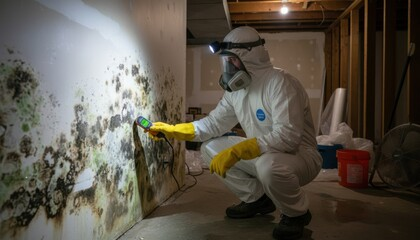
Moisture is the primary cause of mold growth, and a mold inspection begins with examining for signs of moisture or water damage. A certified home inspector is familiar with a wide range of possible causes of mold contamination, so they can quickly spot problems and develop an appropriate remediation strategy.
A qualified inspector will also use specialized equipment to assess the condition of your house’s structure and its components. For example, they may check the attic or basement for hidden leaks, or they may use a thermal imaging camera to identify areas of elevated humidity.
Once they’ve examined your property, the mold inspector will recommend a course of action, including mold testing. The tests will help them to determine the type and quantity of mold spores present in the air or on particular surfaces in your home.
The mold inspection process involves collecting samples that are then sent to an independent laboratory for analysis. During this step, the laboratory will identify the different species of mold present and their concentrations.
During the sampling process, your inspector will ask you to shut off any air conditioning or dehumidifiers in your home. Air purifiers and humidifiers remove moisture from the air, so they will reduce the concentration of mold spores that your inspector will be able to detect. You should also avoid using any spray cleaners or disinfectants in your home prior to the appointment, as these can also interfere with the accuracy of the test results.
Surface sampling involves swabbing various surfaces inside your home to find the presence of mold spores. The inspector may swab carpeting, walls, ceilings, or furniture. Different surfaces are more or less susceptible to mold growth, so the inspector will swab each one to identify the areas and items that need further investigation.
Another type of sample is called an ERMI sample, which collects dust from within your home to identify the specific types of mold spores present. This method is more accurate than a swab or air sample, as it can detect the specific types of mold to the species level rather than just the genera (e.g. Aspergillus Versicolor).
An ERMI can be especially useful for people who have compromised immune systems. Once the results are in, your inspector will provide you with a detailed report and recommendations for mold remediation, if necessary.
Sampling
During a mold inspection, your inspector may recommend certain sampling methods. The recommendations depend on conditions found during a physical investigation, moisture detection equipment, and other factors. The types of sampling and analysis performed aid in determining hidden areas that might need attention, identifying specific allergenic or toxigenic molds and their concentrations, and determining the extent of a contamination problem.
Sampling typically involves collecting a bulk sample or swab from materials that have a suspected mold like appearance. The samples are then sent to a lab for analysis. Surface sampling is recommended when there is visible mold growth, as it will help determine if the type of growth is what is being observed in the home. Swab samples are taken using a sanitary type of Q-Tip to collect a sample from the surface of the suspected material. The samples are then analyzed to identify the spores present and to confirm what is being observed.
Another type of testing is air sampling, which focuses on identifying the presence and concentrations of mold spores in the air within a home. This test is commonly used to confirm the results of a visual inspection, and it can also be used in place of a visual inspection. Air spores can be collected by using a pump that draws air into a container with a special spore trap.
An alternative to air sampling is wall cavity sampling, which identifies the presence of mold in out-of-reach places by drawing a sample from the space inside a wall or ceiling. This method of testing is ideal for detecting hidden and hard to reach issues.
Prior to the sample collection process, it is important that any vacuuming, cleaning, or heavy dusting be avoided. This is to ensure that the surface of the materials being tested are free from contaminants that could interfere with or distort the results. It is also recommended that humidifiers be turned off or removed as they can increase the moisture content in the air and therefore accelerate mold growth. Finally, the doors and windows should be shut throughout the sampling process so that a representative sample can be obtained.
Laboratory Analysis
Mold inspections focus on identifying potential problem areas through visual and moisture detection. Once those areas have been determined, laboratory analysis provides specific information about mold species and concentrations in the home. This information can help homeowners create a plan to keep their homes mold-free and support remediation or clearance decisions.
Laboratory testing can also identify the presence of mycotoxins, or toxic metabolites created by molds, in your home. These toxins can be harmful for individuals with certain health conditions, such as compromised immune systems or allergies. Mycotoxins can also be released into the air by mold spores. These toxins are also difficult to clean up and can often return after cleaning.
During the lab analysis phase of your mold inspection, your inspector will send the samples collected to an accredited laboratory for analysis. The laboratory will use different techniques to analyze the samples and identify the type of mold present and its concentration in your home.
The most common sample types are air and surface samples. Air samples are taken using specialized spore trap devices that measure airborne mold spores and can be compared with outdoor air for accurate assessment of indoor spore counts. Surface samples are collected with adhesive tape lifts or sterile swabs from visible and suspected mold growth areas. Bulk samples can also be collected, where a small piece of building material (e.g. carpeting, drywall) is removed and sent to the laboratory for analysis.
In addition to determining mold spore levels, laboratories will examine the spores under a microscope and determine which species are present. They may also test for mycotoxins and other metabolites that can be produced by molds. The results of the laboratory analysis can be confusing for many homeowners, as they will often contain a lot of numerical data such as spore counts and Latin species names.
Homeowners should be prepared to spend several hours preparing their home for a mold inspection and testing, by closing all doors and windows, turning off any HVAC systems, and washing any surfaces that will be tested. It is important to avoid using any cleaning products and dehumidifiers 48 hours before the inspection to prevent adding additional moisture that could affect the test results.
Report and Recommendations
Mold testing provides valuable information about the types and concentrations of mold found in a home. It is an essential part of a thorough home inspection, and it can identify hidden mold in places that aren’t visible during a visual inspection. The information in the laboratory report can help determine the severity of a mold problem, identify specific allergenic or toxigenic molds, and assess health risks for occupants.
Sampling can be done by using different methods, including surface sampling, bulk sampling, and air testing. In surface sampling, the inspector swabs or tape lifts surfaces to get a sample. The inspector will then send the sample to a lab for analysis. This method is best used for identifying surfaces that may contain mold, such as walls, floors, or ceilings. It can also be useful for determining the type of mold, such as a toxic black mold (Stachybotrys chartarum).
Bulk samples involve collecting a piece of drywall or insulation from a suspected area of mold growth and sending it to the laboratory for analysis. This is a good way to see what kind of mold is growing in the wall, as well as the spore counts. A mold inspector should only use this method when other types of sampling have been done and the results are inconclusive.
An industrial hygienist can help determine whether surface or bulk samples are necessary. He or she will also advise on the proper procedures for conducting the sampling and how to interpret the results.
When the lab analyzes a sample, it will provide a report that includes the type of mold and its spore count. It will also indicate if the levels are normal or high. A certified mold inspector or industrial hygienist will then interpret the results and make recommendations.
To ensure the most accurate results, it is important to avoid cleaning and disinfecting your home before a professional mold inspection and testing. It is also important to shut off your HVAC system for two hours before the inspection to prevent circulating mold spores. Also, you should avoid mowing the lawn or trimming hedges during this time as this can affect your professional’s outside baseline assessment of background spore concentrations. Rain can also distort the results of your indoor test by causing moisture that leads to faster growth of molds.