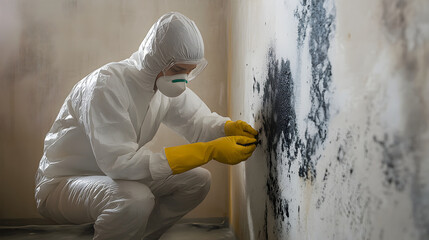
Mold can generally be removed from nonporous materials by wiping or scrubbing with water and detergent. If porous items, such as drywall and carpet, are affected, they may need to be replaced.
Air filtration systems help to improve ventilation and reduce indoor humidity levels, thereby inhibiting the growth of mold spores. Prevention strategies include repairing plumbing leaks and water damage immediately, and cleaning and sanitizing frequently. Contact Mold Removal Colorado Springs for more information.
Protect Yourself
Mold spores are airborne, and they can travel throughout your home in air currents. They also can stick to clothing, shoes, pets and other surfaces. These spores can irritate your nose, eyes and throat, and they can worsen respiratory illnesses like allergies and asthma. Certain species of mold also create and release microscopic toxins that are even more harmful than the spores themselves.
Hidden mold can be difficult to detect, especially if it’s growing behind walls or under wallpaper. However, you can suspect that it’s present if a building smells musty, or if you know there has been water damage and residents have reported health problems.
When you have to be in a moldy area for an extended period of time, wear personal protective equipment (PPE), including a respirator mask with vent holes. Also, consider wearing goggles that offer complete eye protection to protect yourself from dust and small particles during cleaning.
Using distilled white vinegar, a common household item that can be found in most medicine cabinets, is an effective non-toxic method of getting rid of black mold. Pour a few ounces of white vinegar into a spray bottle and use it to clean and kill the fungus on porous or non-porous surfaces. After the surface is cleaned, rinse it with water and let it dry. The vinegar’s potent aroma will disappear once the fungus is dead.
Other safe non-toxic methods of killing and cleaning up mold include the use of borate-based cleaners and detergents that have “borate” listed on the ingredients label. These cleaners, typically used for masonry and grout cleaning, are often sold in hardware stores and come in powder, liquid and gel forms. Follow manufacturer’s instructions when applying them.
In areas that cannot be kept completely dry, diluted chlorine bleach can be used to control mold growth. Always ventilate the area during and after application, and exhaust the air outside. Never mix bleach with other cleaning solutions, as they can produce toxic gas. If you’re planning to use biocides, it’s essential that a professional licensed in pesticide application apply them.
Seal Off Contaminated Areas
If you’re dealing with a large mold problem, it is important to isolate the area as much as possible during the cleaning process. This will reduce the number of spores that can reach other areas of the home or business and prevent them from becoming contaminated with mycotoxins. Use plastic sheeting to block off areas you’re working in from the rest of the building. Cover any vents and doors, and try to create negative pressure in the affected room by blowing air out of a window.
It is still difficult to determine exactly how mycotoxins and spores affect the human body. Some people are more sensitive to them than others, and individual reactions vary widely. Research has shown that certain factors like genetics, preexisting conditions, length of exposure, species of mold, presence of mycotoxins and toxins, and immune system function play a role in the severity of symptoms experienced.
In general, nonporous surfaces, such as glass and hard plastics, can be wiped or scrubbed with water and detergent and then dried to discourage further growth. Porous materials, such as drywall and carpets, may have to be discarded if they are heavily contaminated, as mycotoxins and spores can penetrate deeply into these types of fabrics.
Valuable or sentimental items, such as artwork and antique furniture, need special care. Seek advice from art restoration professionals if necessary, as they may be able to clean and restore some items that have been damaged by mold.
Once the remediation has been completed, it is crucial to inspect the area. Visible mold and odors should no longer be present, and moisture levels should have returned to normal. If you find that a particular area is still contaminated, the moldy surface should be treated again until mycotoxins and spores are no longer detectable.
Although it is not necessary to remove occupants from the area during a mold cleanup, it is recommended that infants, people who have undergone recent surgery, or those with chronic inflammatory lung diseases stay out of the work area until the area has been cleaned and declared safe. This is because the chemicals used in the remediation process and the mycotoxins and spores produced by mold are toxic to some people.
Remove Contaminated Materials
The most important step in mold remediation is identifying and correcting the source of moisture. After all, mold spores can’t grow unless they have the water and nutrients that they need to survive. Molds will often grow in areas where condensation, leaks and lack of air circulation provide the needed moisture. This can include windows with condensation, bathrooms, and basements. Once mold spores gain access to the moisture they can grow and spread quickly.
If the contaminated area is not being used, it should be sealed with plastic coverings and kept as dry as possible. If the affected area is being occupied, the people should be removed to another area while cleanup takes place. Depending on the extent of contamination and the health effects associated with the mold, it may be necessary to remove anyone who is very sensitive or has a compromised immune system. This would include infants, persons who have had recent surgery and immuno-suppressed individuals.
In many cases, nonporous materials can be cleaned by wiping or scrubbing with a cleaning product and then being rinsed clean and dried. The instructions on cleaning products should always be followed. If porous materials are contaminated, they may need to be thrown away, as it is difficult or impossible to clean them thoroughly.
It is also a good idea to invest in a hygrometer and monitor indoor humidity levels. This will help to keep the humidity below 50 percent, as it is the ideal level for preventing mold growth. If a large amount of mold is present, it is imperative to act quickly and to address the cause of the problem, as mold damage can be much more extensive than visible areas.
If you are unsure whether an item can be saved, or it has a high sentimental value, consider hiring a specialist in areas such as fire and water damage restoration, rug and carpet cleaning, or furniture repair. These specialists will know how to identify and safely treat items for mold removal, thereby ensuring their safety. They can also advise on a course of action for items with significant structural damage, such as wood-framed buildings where mold may have penetrated the structure.
Dry the Area
Molds thrive in humid conditions. To keep them at bay, you must reduce indoor humidity levels and dry any affected areas after cleaning. This is a critical step in the remediation process and ensures that any remaining spores are not dispersed throughout the house.
The best way to do this is by using dehumidifiers and fans. These appliances help control relative humidity, allowing surfaces to dry within 48 hours. They should also be used in conjunction with other moisture control measures, such as air conditioning and portable electric heaters. In addition, it is important to remove porous materials from the affected area, such as carpet or ceiling tiles. Seal them in plastic bags before disposing of them.
If you must use a commercial product to clean mold, follow the manufacturer’s instructions and always wear protective gear. Elbow-length rubber gloves, a mask, and safety glasses will prevent spores from entering your respiratory system. If possible, open a window in the area you’re working to improve ventilation.
White distilled vinegar is a mildly acidic agent that cleans, deodorizes, and disinfects. It is effective on most surfaces and can kill 82 percent of mold species on non-porous surfaces. Pour the solution into a spray bottle and apply to the affected area, then scrub and rinse.
A 3% hydrogen peroxide solution is another non-toxic option. Like vinegar, it disinfects and can kill spores on non-porous surfaces. Pour a small amount of the solution into a spray bottle and apply it to the affected area, then scrub and rinse.
Finally, baking soda is a natural fungicide that can be mixed with water in a spray bottle and applied to the surface of the mold. This solution will not only kill mold but will also deodorize and clean the area.
If you have any questions or concerns about the safe removal of mold, call a professional. They will be able to assess the problem and provide you with recommendations and solutions for your specific situation. Remember, mold is a symptom of a larger moisture issue and it will return if the underlying problem is not addressed.